
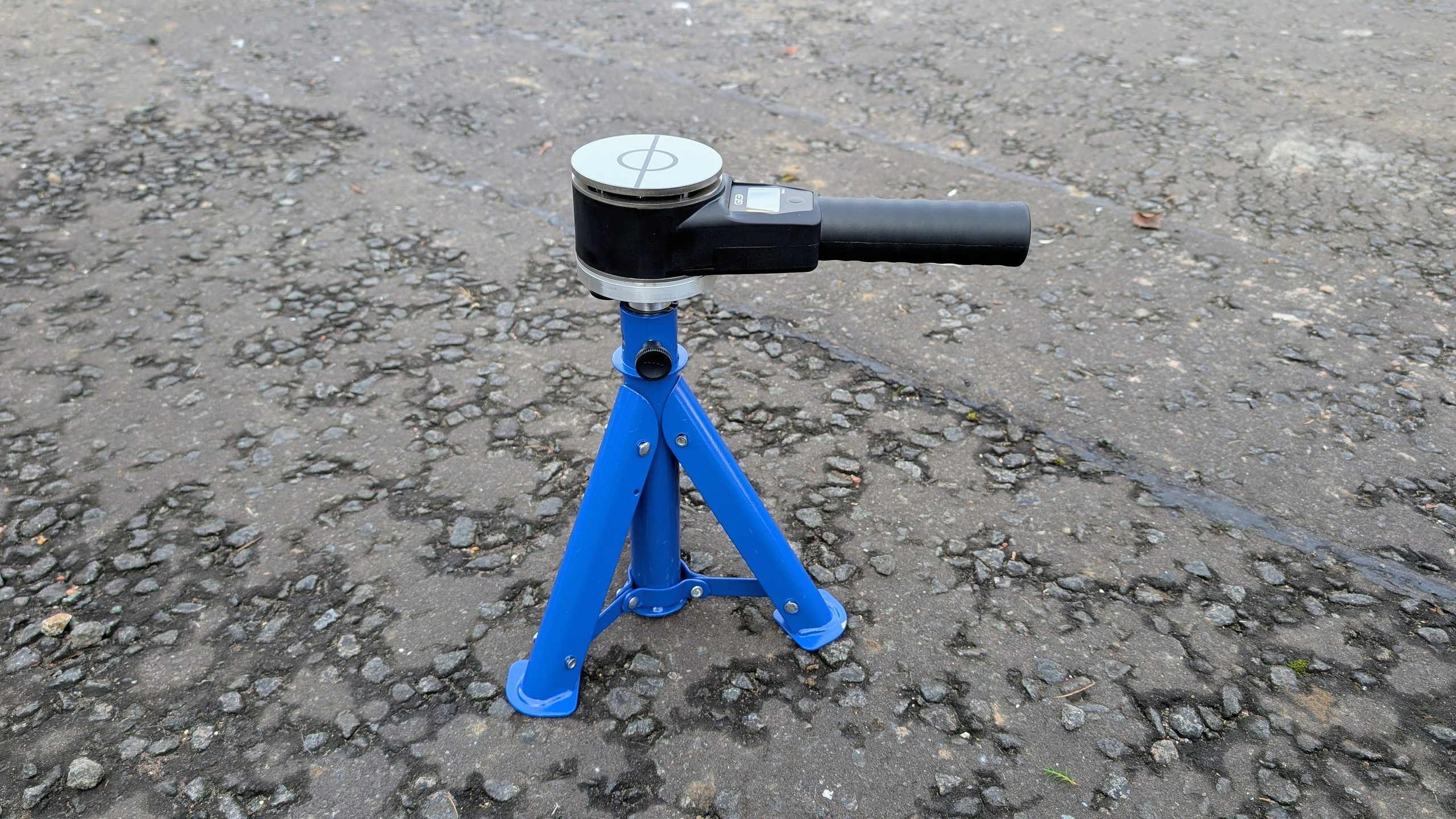
Automated driveway gates provide security and convenience, but a motorised gate is also a piece of machinery operating in a domestic environment. Under UK safety standards (including EN 12453), an automated gate must stop and reverse immediately if it encounters an obstacle—such as a vehicle, a pet, or a person.
Whether you have an entrance gate in Stirling, a rural property in Dunblane, or a private driveway in Bridge of Allan, an electric gate whose force thresholds are set too high—or where safety edges and photocells fail—can cause severe property damage or injury.
Here is what gate force testing involves, why it’s essential for homeowners and property factors, and how to spot early signs of a safety issue.
What Is Gate Force Testing?
Force testing measures the actual impact force a moving gate exerts if it hits an object during its opening or closing cycle.
Using a specialised, calibrated electronic force tester, our trained engineer measures two critical values across multiple points of the gate’s travel path:
- Peak Force: The initial impact force when the gate first contacts an obstacle (which must drop below defined safety limits within fractions of a second).
- Residual Force: The steady pressure the motor continues to exert while reversing away.
If the gate exceeds permitted limits, the drive parameters must be re-programmed, mechanical friction resolved, or additional safety devices (such as safety edges or active infra-red photocells) added to bring the system into full compliance.
3 Signs Your Automated Gate Needs a Safety Check
While formal force testing requires dedicated measuring instruments, you can keep an eye out for these everyday warning signs:
- The Gate Ignores Obstacles: If the gate pushes hard against a parked vehicle wheel or wheelie bin before reversing (or doesn’t reverse at all), the force settings are dangerously high.
- Damp or Misaligned Photocells: If your gate closes unexpectedly while a car is passing through, the safety beam photocells may be dirty, moisture-fogged, or out of alignment.
- Jerky or Uneven Movement: Worn hinges, sagging posts, or stiff underground hydraulics force the motor to work harder, which often causes intermittent safety tripping or mechanical failure.
Who Needs Gate Safety & Force Testing?
- Homeowners with Automated Gates: Regular force testing ensures your family, visitors, and vehicles are protected from impact risks.
- Commercial Properties & Property Factors: Business premises, residential flats, and managed developments have a legal duty of care to maintain powered gates in a safe condition.
- Holiday Lets & Private Tenancies: Ensuring powered entrance gates are fully functional and safe prevents tenant injury risks and legal liability.
Book Gate Safe Servicing & Force Testing in Central Scotland
Rune Technical Services is a Gate Safe Aware installer providing comprehensive automated gate servicing, safety edge maintenance, and instrument-verified force testing across Stirling, Bridge of Allan, Dunblane, and the wider region.
We test both swing and sliding gate systems to ensure they operate smoothly, reliably, and safely.
- Need your electric gate serviced or force tested? Book a Gate Safety Inspection or call us on 07541 954915.